
Andragogy refers to the art and science of helping adults learn. Unlike pedagogy, which focuses on teaching children, andragogy emphasizes the unique characteristics and needs of adult learners.
Key Researchers
Malcolm Knowles (1913 – 1997)
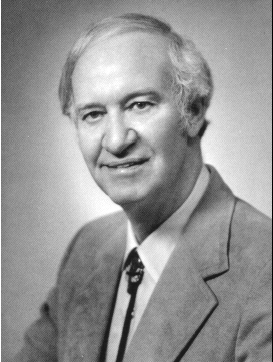
Malcolm Knowles is widely recognized as a pivotal figure in the field of adult education, particularly for his development and promotion of andragogy. His contributions have shaped modern understandings of how adults learn and how educational programs for adults should be designed.
Knowles popularized the term “andragogy” in the United States, defining it as the art and science of helping adults learn. He distinguished it from pedagogy, which focuses on the education of children. Knowles articulated several core principles that underpin adult learning: Self-concept, Adult learner experience, Readiness to learn, Orientation to learning, Motivation to learn, and Active learning.
Discussion | What are the implication of andragogy for instructional design.
Andragogy, as articulated by Malcolm Knowles, emphasizes the unique needs and characteristics of adult learners. Integrating andragogical principles into instructional design involves creating learning experiences that are learner-centered, relevant, and practical. Here are the key implications for instructional design:
Learner-Centered Approach
Designing learning experiences that put the learner at the center, thereby allowing them to take control of their learning paths, set personal goals, and make decisions about their learning process. This provides opportunities for learners to choose topics, projects, or case studies that interest them and align with their personal or professional goals.
Incorporating Experience
Leveraging the prior knowledge and experiences of adult learners by designing activities that allow learners to share their experiences, reflect on them, and apply new knowledge in the context of what they already know. This could be achieved through the use group discussions, peer reviews, and real-life problem-solving tasks that encourage learners to draw on their experiences and expertise.
Continuous Feedback and Assessment
It is important to provide continuous, formative feedback that helps learners assess their progress and identify areas for improvement. This can be achieved by using assessments that are reflective of real-world tasks, as well as using formative assessments, such as self-assessments, peer reviews, and instructor feedback, to guide learners and help them improve continuously.
Opinion
I think it is crucial to understand and acknowledge that it is important to tailor your approach as instructional designer when designing learning materials for a working, adult audience. To this end, andragogy provides us with a valuable framework. Some of the strengths of this framework are:
Self-Directed Learning
Encouraging learners to take responsibility for their own learning fosters independence, critical thinking, and lifelong learning habits. Self-directed learners are more likely to seek out and engage with learning opportunities outside of formal education settings.
Flexibility and Adaptability
Andragogical approaches are often more flexible and adaptable to the diverse needs of adult learners. This flexibility can accommodate varying schedules, learning styles, and paces, making education more accessible.
Experience-Based Learning
Adults bring a wealth of life experiences to the learning environment. Leveraging these experiences can make learning more meaningful and facilitate deeper understanding by connecting new knowledge to existing knowledge.
It is, however, also important to be aware of potential limitations when designing a learning experience from an andragogical perspective, such as:
Assumes High Self-Motivation
Andragogy assumes that all learners are self-motivated and capable of self-direction. In reality, some learners may struggle with autonomy and require more guidance and structure.
Balancing Guidance and Autonomy
Finding the right balance between providing enough guidance and allowing for autonomy can be challenging. Too much freedom can lead to confusion and lack of direction, while too much guidance can stifle self-directed learning.
Varied Levels of Experience
Adults come with different levels and types of experiences, which can make it challenging to design learning activities that are relevant and engaging for everyone. This diversity requires more personalized approaches, which can be resource-intensive.
Past Learning Experiences
Informal Learning Experience: Being a self taught percussionist before undergoing formal education. In this instance learning was facilitated through social connection and cultural experiences
Formal Learning Experience: Cambridge High Impact Leadership short course. This was an 8 week online short course that was designed to equip leaders with a business leadership model that ensured that they would make an impact in their chosen organizations.
The short course was the more memorable experience from a learning perspective as it was clear that key andragogical principles were in place to facilitate learning, such as learner experience. We were encouraged to think about our personal experiences and apply the theories as part of an ongoing project based assessment which culminated in a capstone presentation.
My preference is for formal learning as I prefer the structured and methodical approach. As such I would seek out courses and seminars as part of my PLN, rather than one-on-one mentoring.