
Constructivism, in the context of instructional design, is a learning theory that emphasizes the active role of learners in constructing their own understanding and knowledge of the world through experiences and reflection. This approach is grounded in the belief that learning is a dynamic, interactive process where learners actively engage with new information, relate it to their existing knowledge, and form new understandings. The role of the educator is to facilitate this process rather than simply transmit information.
Key Researchers
Jean Piaget (1896 – 1980)
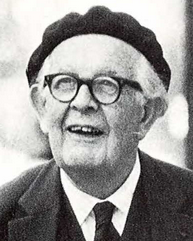
Jean Piaget’s contributions to the field of constructivism are foundational and transformative. His work primarily focused on the cognitive development of children, leading to a deeper understanding of how knowledge is constructed through active engagement and interaction with the environment.
Piaget proposed that learners actively construct their own knowledge through experiences rather than passively receiving information. This process involves assimilation (integrating new information into existing schemas) and accommodation (modifying schemas when new information cannot be assimilated).
Lev Vygotsky (1896 – 1934)

Lev Vygotsky’s contributions to the field of constructivism are significant and emphasize the social and cultural aspects of learning. His work laid the foundation for what is often referred to as social constructivism.
Vygotsky introduced the concept of the ZPD, which is the difference between what a learner can do independently and what they can achieve with guidance and assistance. Effective learning occurs within this zone, with support from more knowledgeable others (MKOs), such as teachers, peers, or parents.
Vygotsky’s idea of scaffolding involves providing support to learners as they develop new skills and knowledge. This support is gradually removed as learners become more competent, promoting independence and mastery.
Jerome Bruner (1925 – 2016)

Jerome Bruner’s contributions to the field of constructivism are profound, emphasizing the active role of learners in constructing their own knowledge. His work focuses on the processes of learning, the importance of discovery, and the structure of knowledge.
Bruner expanded on Vygotsky’s concept of scaffolding, where teachers provide temporary support to learners to help them achieve tasks they cannot complete independently. This support is gradually removed as learners become more proficient.
Bruner’s constructivist theory focuses on how learners actively construct new ideas based on their current and past knowledge. He emphasized the importance of cognitive processes in understanding how learners interpret and organize information.
Bruner’s contributions have shaped educational practices by promoting active, inquiry-based learning, the use of varied instructional methods, and the consideration of developmental stages and cultural contexts in teaching. His ideas support a learner-centered approach, where the focus is on fostering understanding and critical thinking.
Discussion | What are the implications of constructivism for instructional design?
The implications of constructivism for instructional design are significant, influencing how educational environments are created to support active, meaningful, and learner-centered experiences. Lets explore some of the key implications:
Learner-Centered Approach
Instructional design should focus on the needs, interests, and experiences of learners. Activities and materials are tailored to engage learners actively and promote self-directed learning.
Active Learning
Learning activities should encourage active engagement, exploration, and hands-on experiences. This can include problem-solving tasks, experiments, simulations, and projects that require learners to apply concepts in practical ways.
Social Interaction
Collaborative learning is essential in constructivist environments. Group work, discussions, peer reviews, and cooperative projects are used to facilitate social interaction, allowing learners to share perspectives and construct knowledge together.
Scaffolding
Instructional designers should incorporate scaffolding to provide temporary support to learners as they develop new skills and knowledge. This support is gradually removed as learners gain confidence and competence. Examples include guided practice, hints, prompts, and modeling.
Opinion
Constructivism has significantly influenced instructional design, providing a framework that emphasizes the active role of learners in constructing their own understanding and knowledge through experiences and reflection. However, like any educational theory, constructivism has both strengths and weaknesses. Understanding these can help educators and instructional designers create more effective and balanced learning environments. Lets start of by exploring some of the strengths:
Active Engagement
Constructivism promotes active learning, encouraging learners to engage with the material, ask questions, and explore concepts. This leads to deeper understanding and better retention of knowledge.
Contextual and Authentic Learning
By situating learning in real-world contexts, learners can see the relevance of what they are learning and are better able to transfer knowledge to new situations.
Encouragement of Lifelong Learning
Constructivism encourages self-directed learning and reflection, which are crucial for continuous personal and professional development.
As noted in the preamble of this discussion, despite the notable impact of constructivism on the field of instructional design, there are some drawbacks, such as:
Dependency on Learner Motivation
Constructivism assumes that learners are motivated and capable of self-directed learning. In reality, some learners may struggle with this level of autonomy and require more structure and guidance.
Potential for Cognitive Overload
Learners might experience cognitive overload if they are required to discover and construct knowledge without sufficient guidance. This can lead to frustration and hinder learning.
Resource Intensive
Constructivist learning often requires more resources, such as time, materials, and technology. This can be a constraint in settings with limited resources.
Designed Learning Experience | How to Create a YouTube Video
This online learning experience is designed to teach learners how to create and publish a YouTube video. Constructivism will drive the activity, ensuring that learners actively engage with the content, collaborate with peers, and reflect on their learning process.
Zone of Proximal Development (ZPD) Skills
Video Editing:
- Learners will need guidance to use video editing software effectively, including cutting clips, adding transitions, and incorporating audio.
Script Writing and Story-boarding:
- Learners can develop the ability to write a compelling script and create a storyboard with some initial support and examples.
Optimizing Video for YouTube:
- Learners will require assistance to understand SEO principles, including keyword usage, tagging, and creating engaging thumbnails and titles.
Scaffolding Strategy
Provide guided tutorials and Step-by-Step instructions. This could be achieved by providing learners with detailed video tutorials and written guides for each stage of video creation. These tutorials should break down complex tasks into manageable steps. For example, a tutorial on video editing can start with basic functions like trimming and gradually introduce more advanced features like adding effects and transitions. Furthermore, the use of progress checklists that outline key tasks and milestones, allowing learners to track their progress, will be critical in ensuring they do not miss critical steps.
Social Constructivist Approach
This could be achieved by making use of a collaborative project. Learners would be organized into small groups where they collaborate on creating a YouTube video. Each group member can take on a specific role (e.g., scriptwriter, editor, SEO specialist) based on their interests and strengths. Online discussions forums or virtual meetings spaces could allow for groups to share their progress, ask for feedback, and provide peer support. This would encourage group members to reflect n their experiences and discuss challenges and solutions.
Differentiating Instruction | Addressing Unique Needs and Diversity
It is important to consider that learning pace could be impacted by neurodiversity, and as such accommodations would be needed to ensure the learners are able to keep pace with their classmates. This could be achieved through offering multiple formats of instructional content (videos, text, interactive modules) to cater to different learning preferences. Furthermore, it is important to allow learners to progress at their own pace, providing additional resources or advanced challenges for those who move quickly and extra support for those who need more time.
It is also critically important to consider accessibility of the learning materials by ensuring all materials are accessible to learners with disabilities. This includes providing captions for videos, screen reader-friendly text, alt-text, and alternative formats for interactive content.